
You can add the Brewery layout to your Divi website using one of two methods:
- Method 1: Using the DiviFlash layout importer (recommended).
- Method 2: Manually importing the layout.
In this doc, we will walk you through both methods step by step to make setting up the Brewery Layout easy.
Method 1: Using DiviFlash Layout Importer
Step 1: Install and activate the Divi theme.
Step 2: Install and activate the DiviFlash plugin.
Step 3: In your WordPress dashboard, go to DiviFlash > Layouts and search for Brewery.
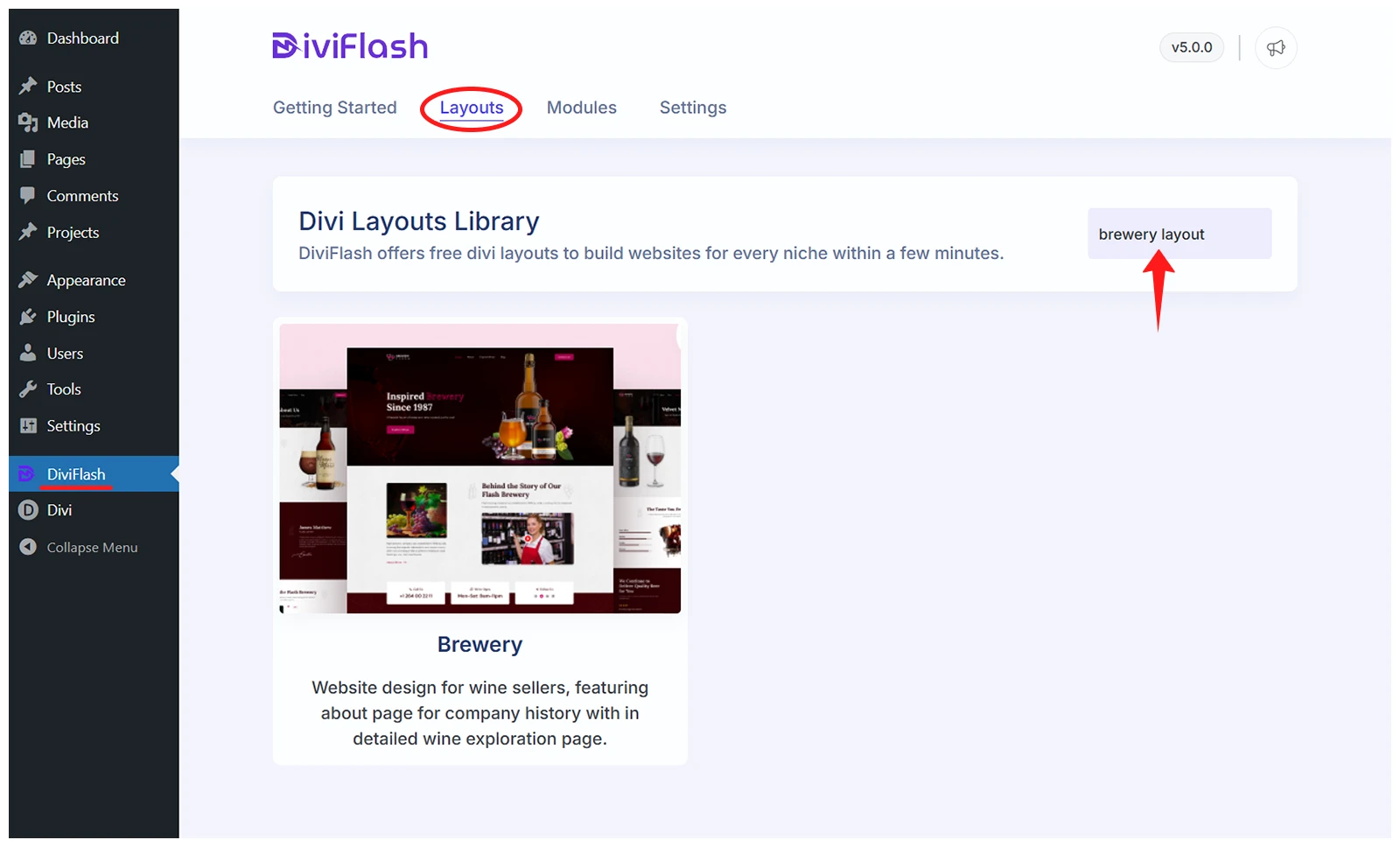
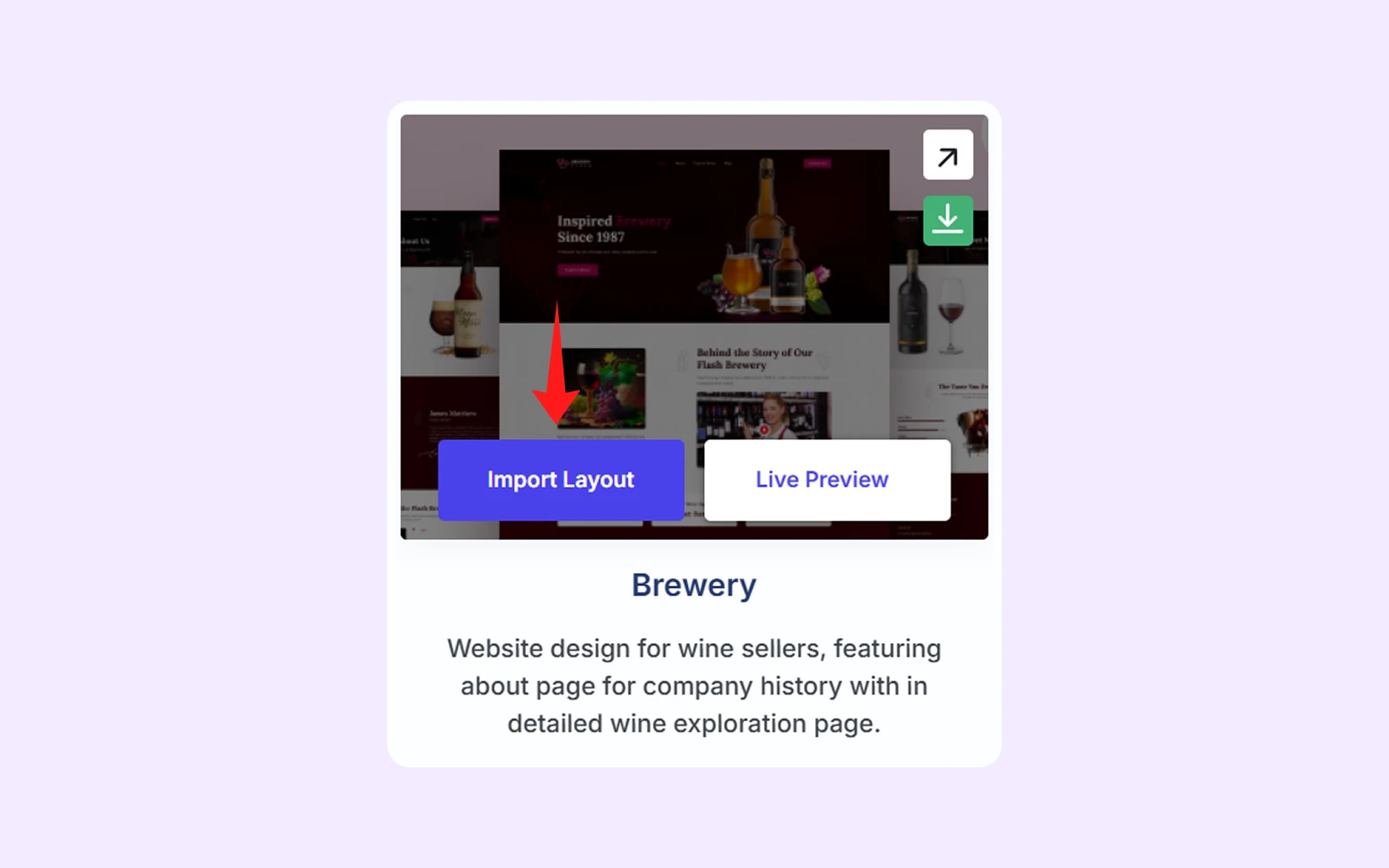
Step 4: Hover over Brewery layout and click on “Import Layout” to start the import process.
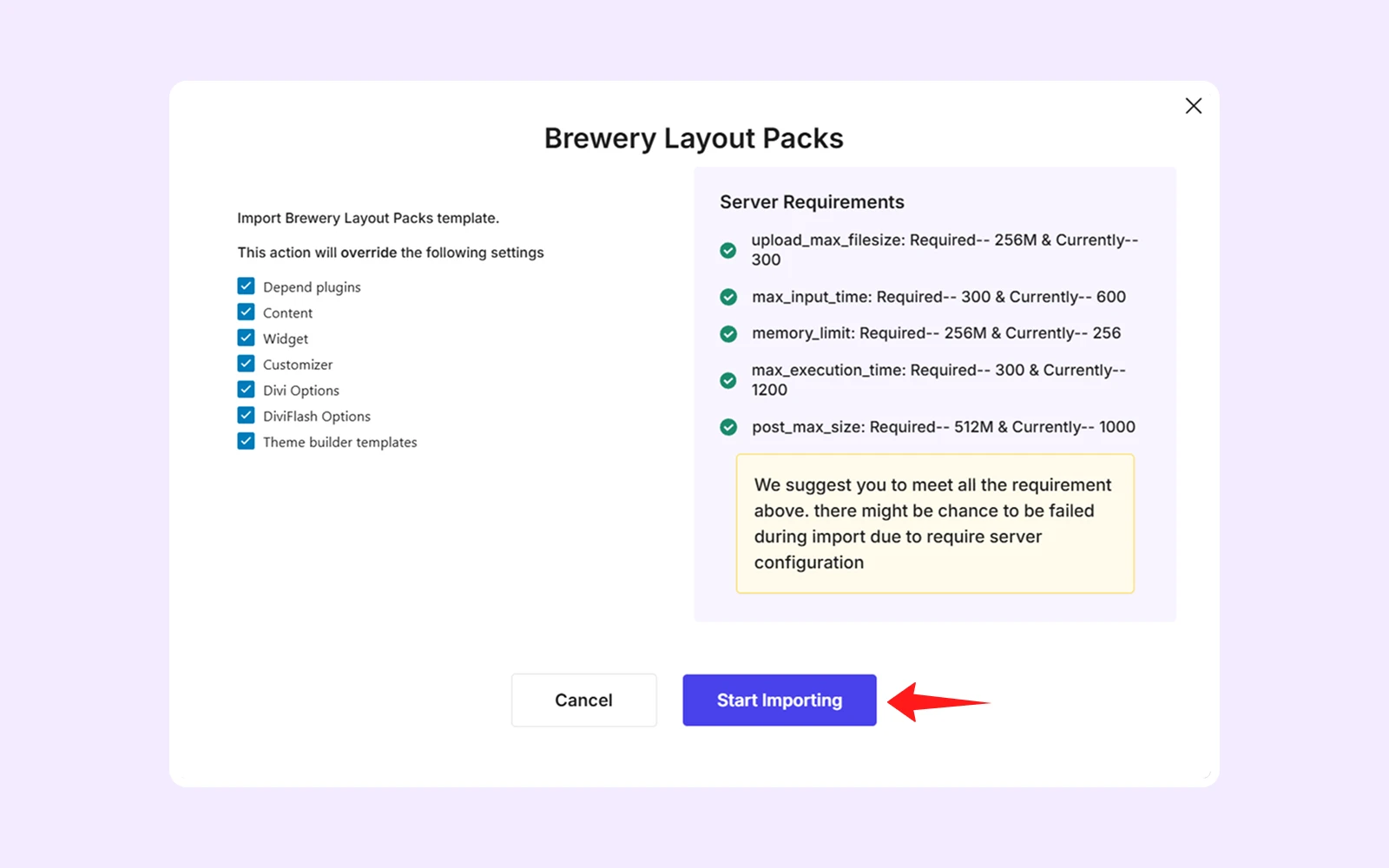
- A popup will appear showing the layout settings and server requirements. Make sure all items show green checkmarks. If you see any red crosses, update your server settings and refresh the page. Once everything turns green, click “Start Importing.”
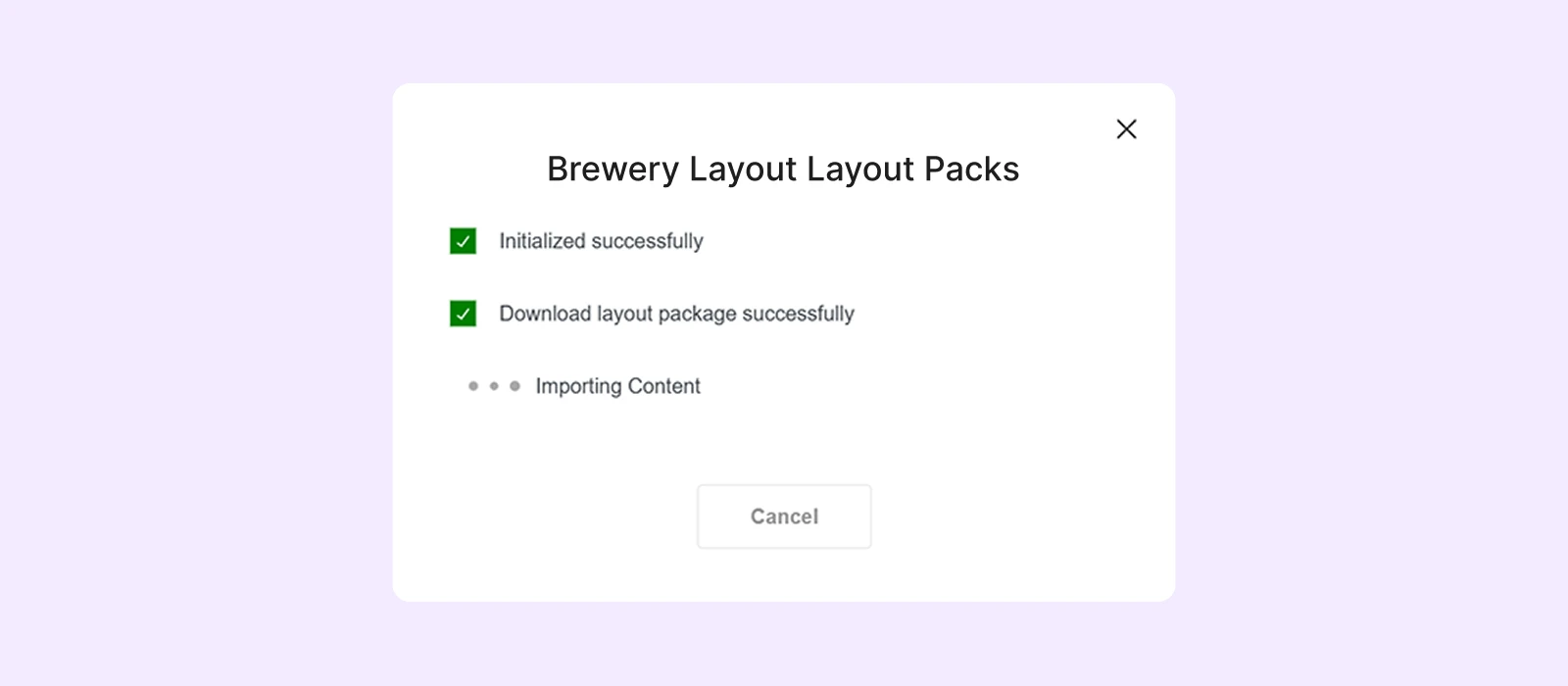
- The import process may take a few minutes to complete.
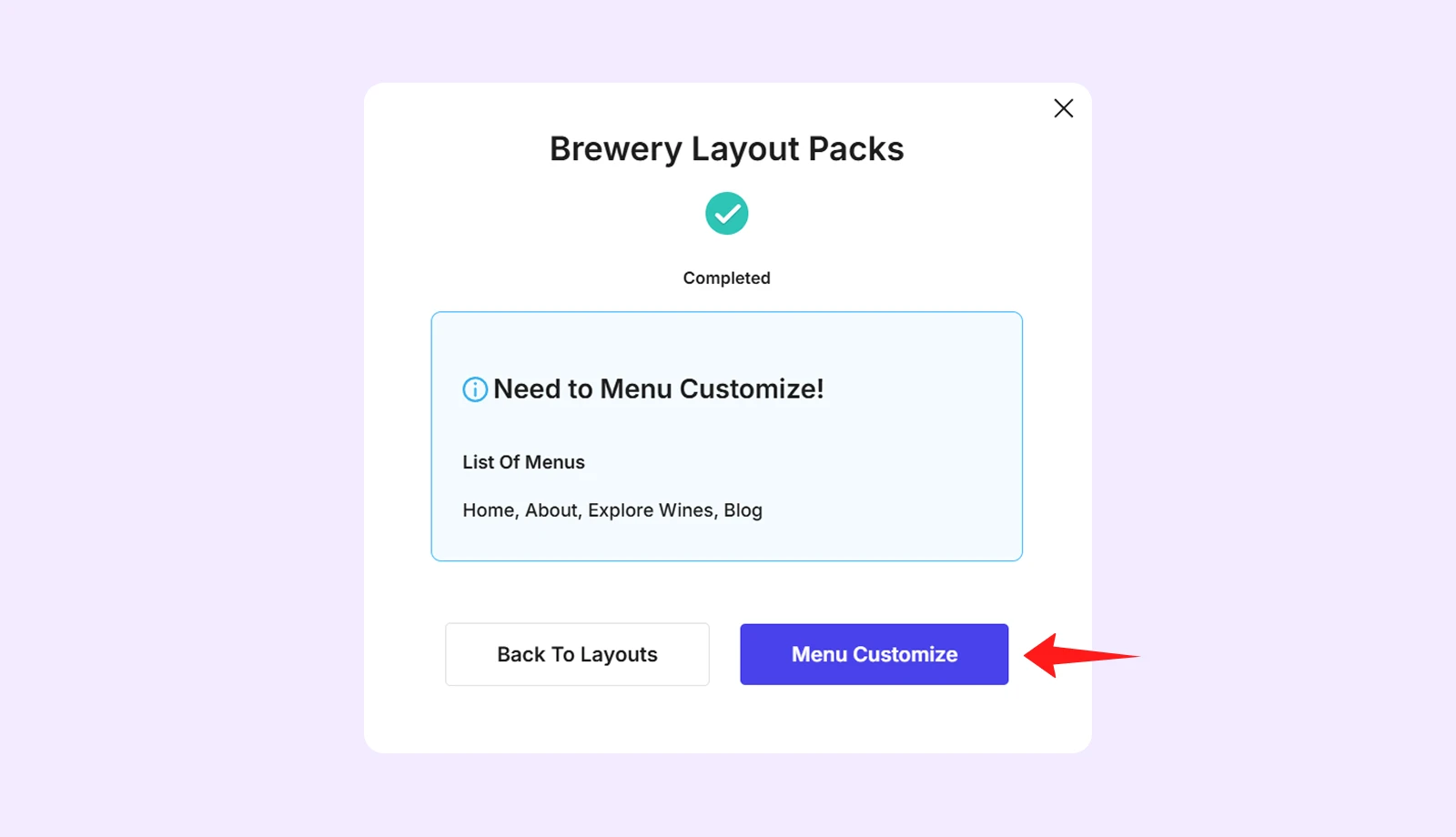
- Once the import process is complete, click on "Menu Customize" to adjust the menu for the imported layout. You can follow Divi Layout Menu Customization doc.
Step 5: Set your homepage and blog page.
- Go to WordPress Dashboard > Settings > Reading.
- Below “Your homepage displays,” select “A static page.”
- Choose “Home” from the homepage dropdown menu.
- Choose “Blog” from the post page dropdown menu.
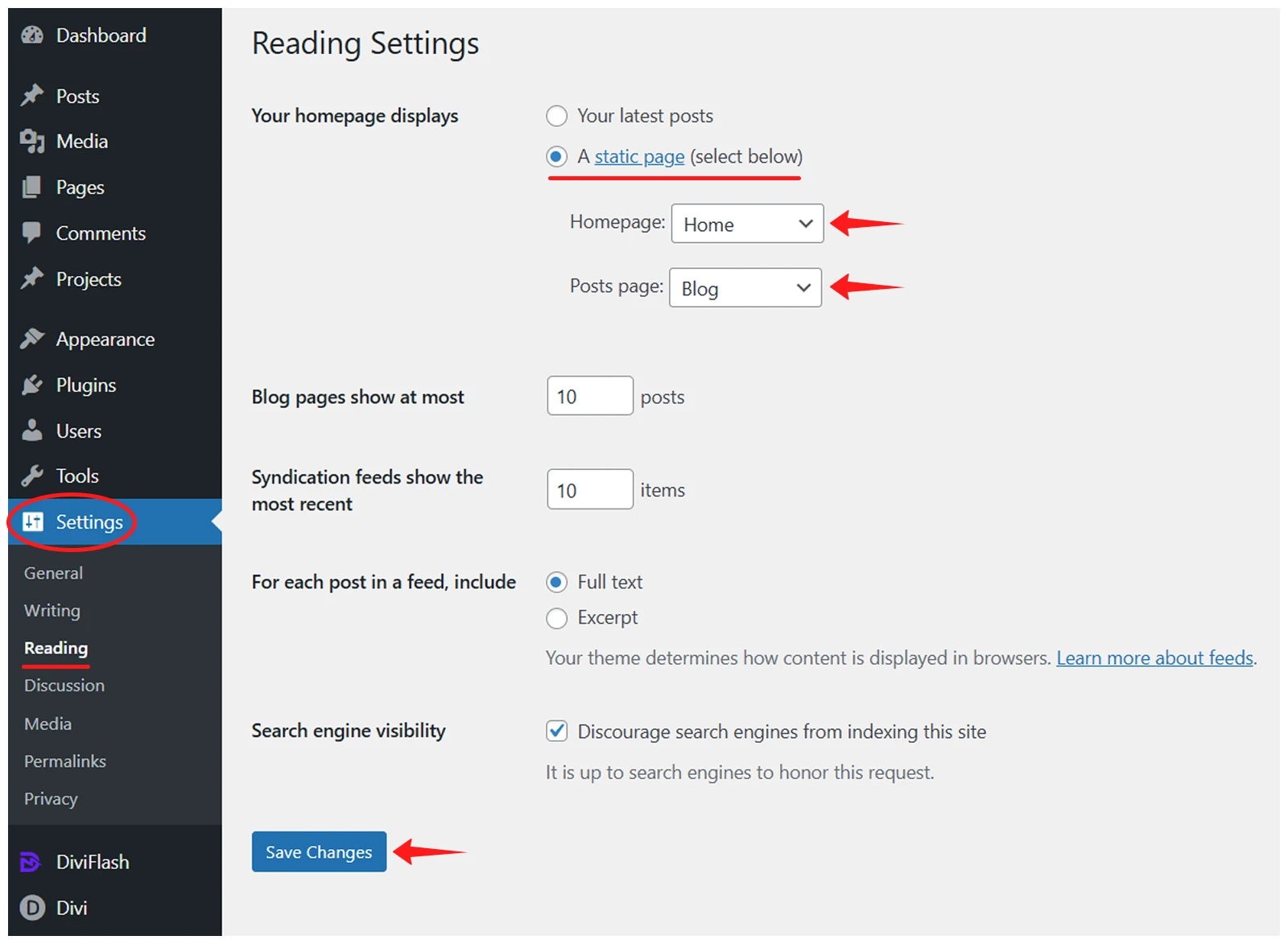
- Click on “Save Changes” to save it.
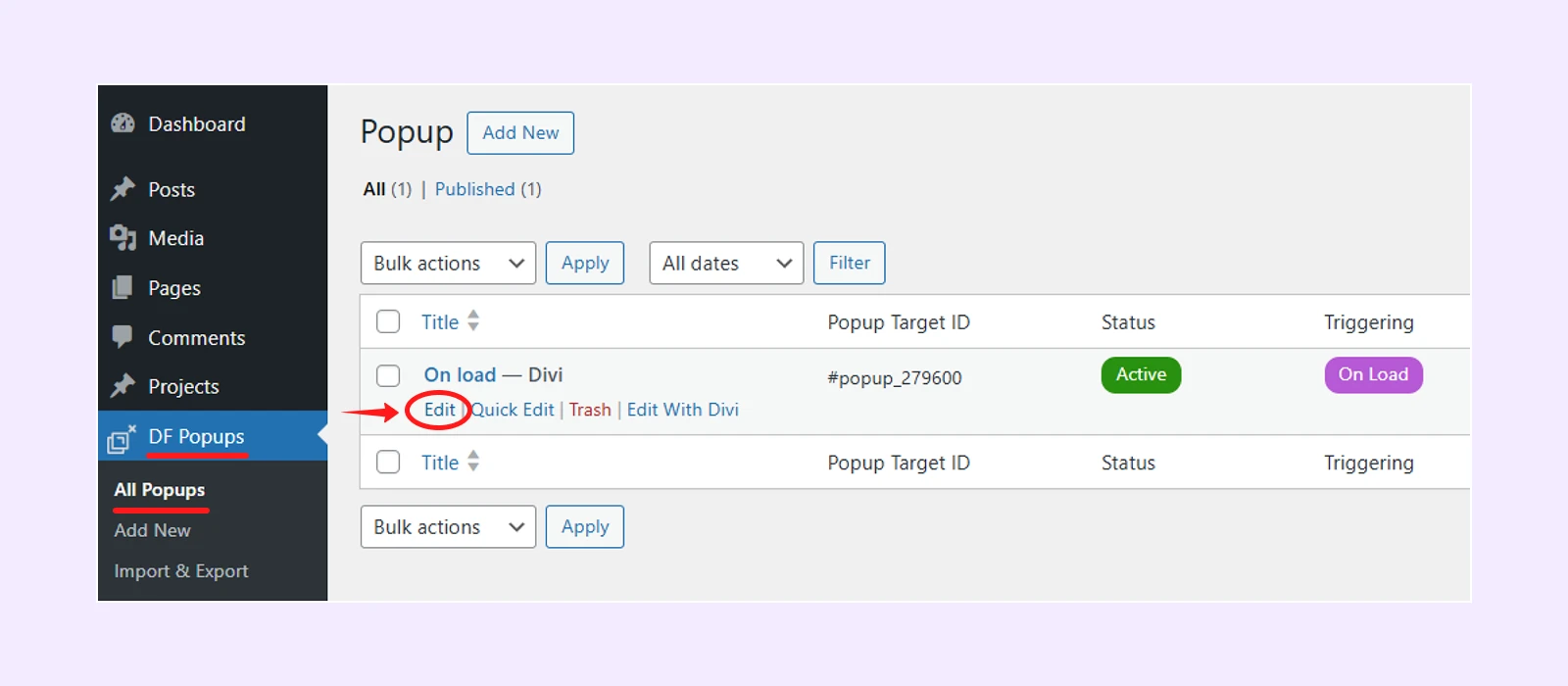
Step 6: Brewery layout comes with a popup that you will find by going to WordPress Dashboard > DF Popups > All Popups.
The Brewery layout has been successfully imported and is now live on your website.
Method 2: Manually Import the Layout
Besides using the DiviFlash layout importer, you can also go for the manual approach to import the Brewery Layout into your Divi website.
Here is how to do it:
Step 1: Install and activate the Divi theme.
Step 2: Install and activate the DiviFlash plugin.
Step 3: Download the Brewery layout file from the DiviFlash website and unzip it.
Step 4: Import the “DiviFlash’s Dashboard” settings file into DiviFlash’s dashboard panel:
- Navigate to WordPress Dashboard > DiviFlash > Settings > Import/Export.
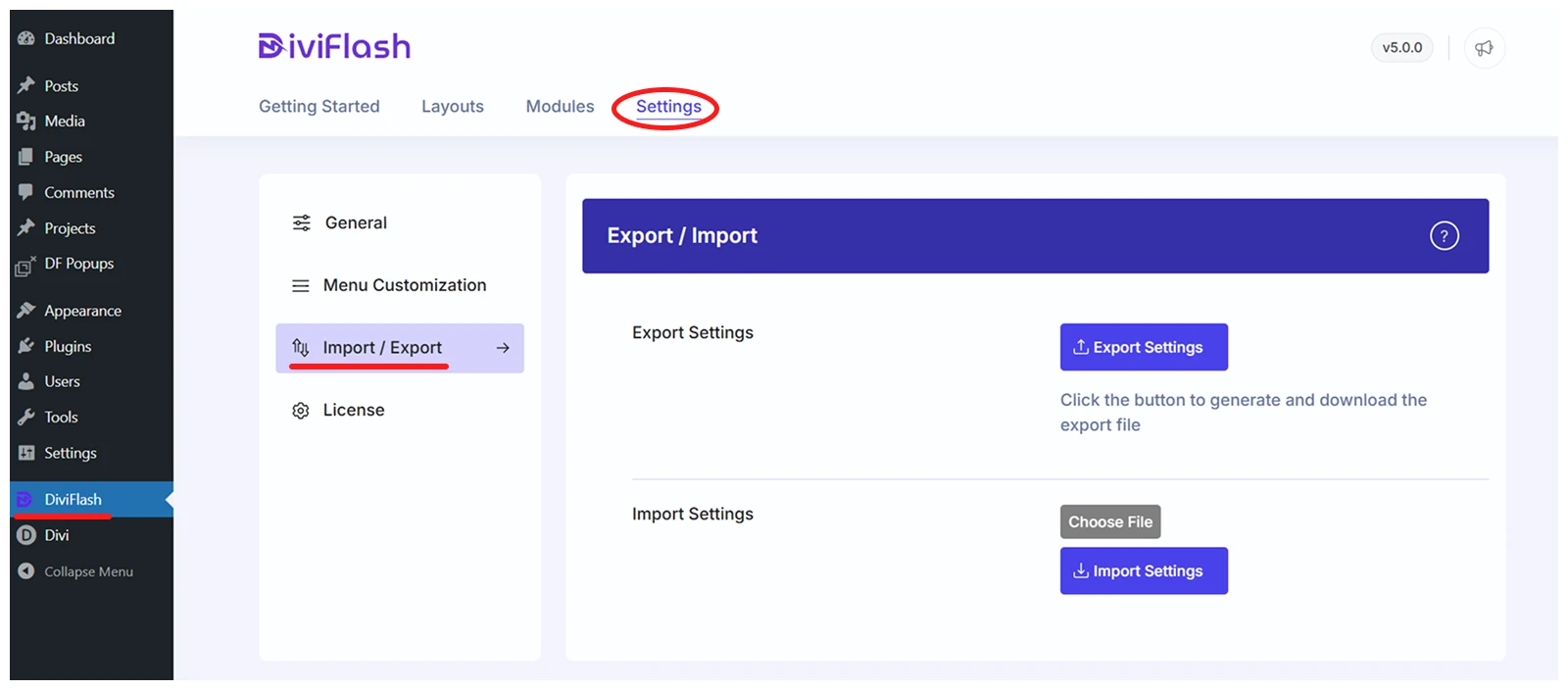
- Click on “Choose File” and select “DiviFlash Dashboard - Brewery Layout - DiviFlash.json”
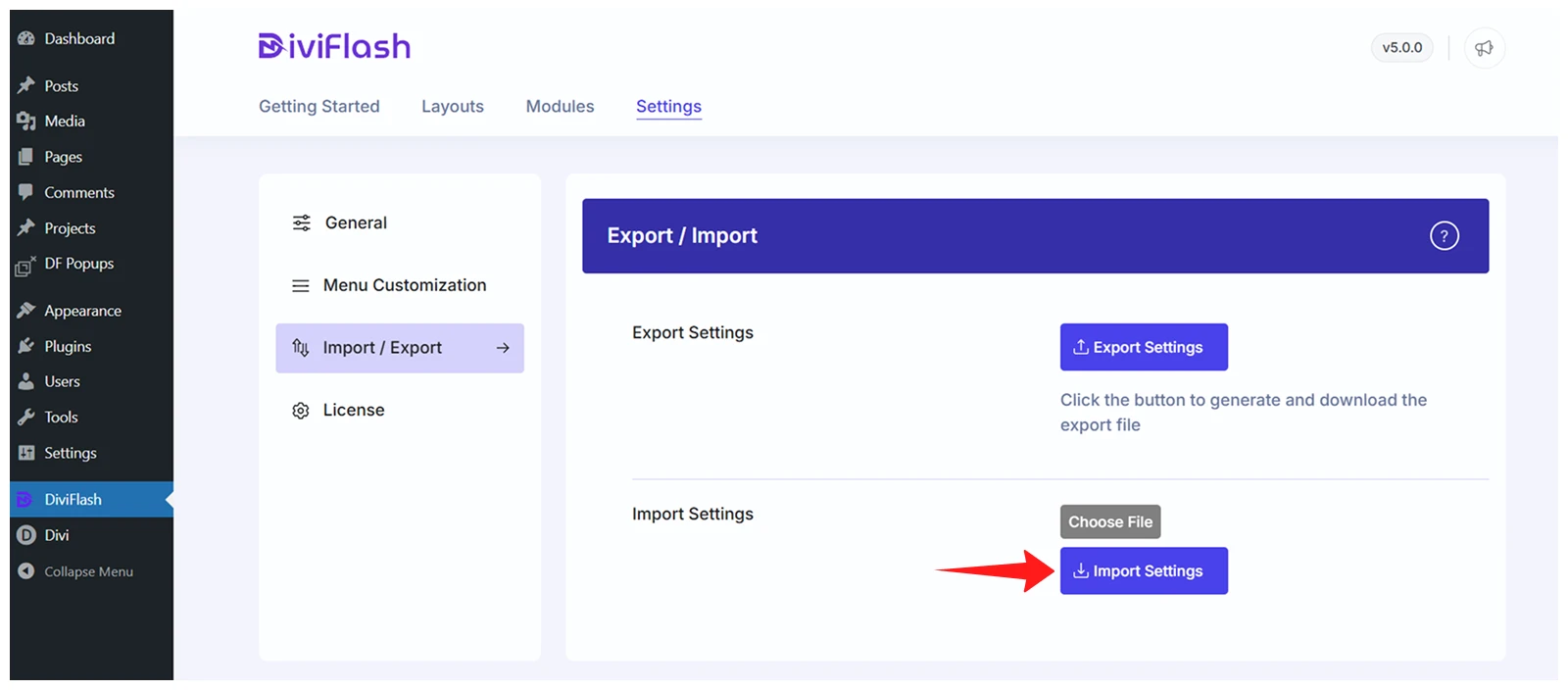
- Finally, click on the “Import Settings” button
Step 5: Now, install and activate the Advanced Custom Fields.
Step 6: After installing the plugin, import the “ACF - Brewery Layout - DiviFlash” file into ACF plugin:
- Navigate to WordPress Dashboard > ACF > Tools
- Under the Import section, click on “Choose File” and select “ACF - Brewery Layout - DiviFlash.json” file.
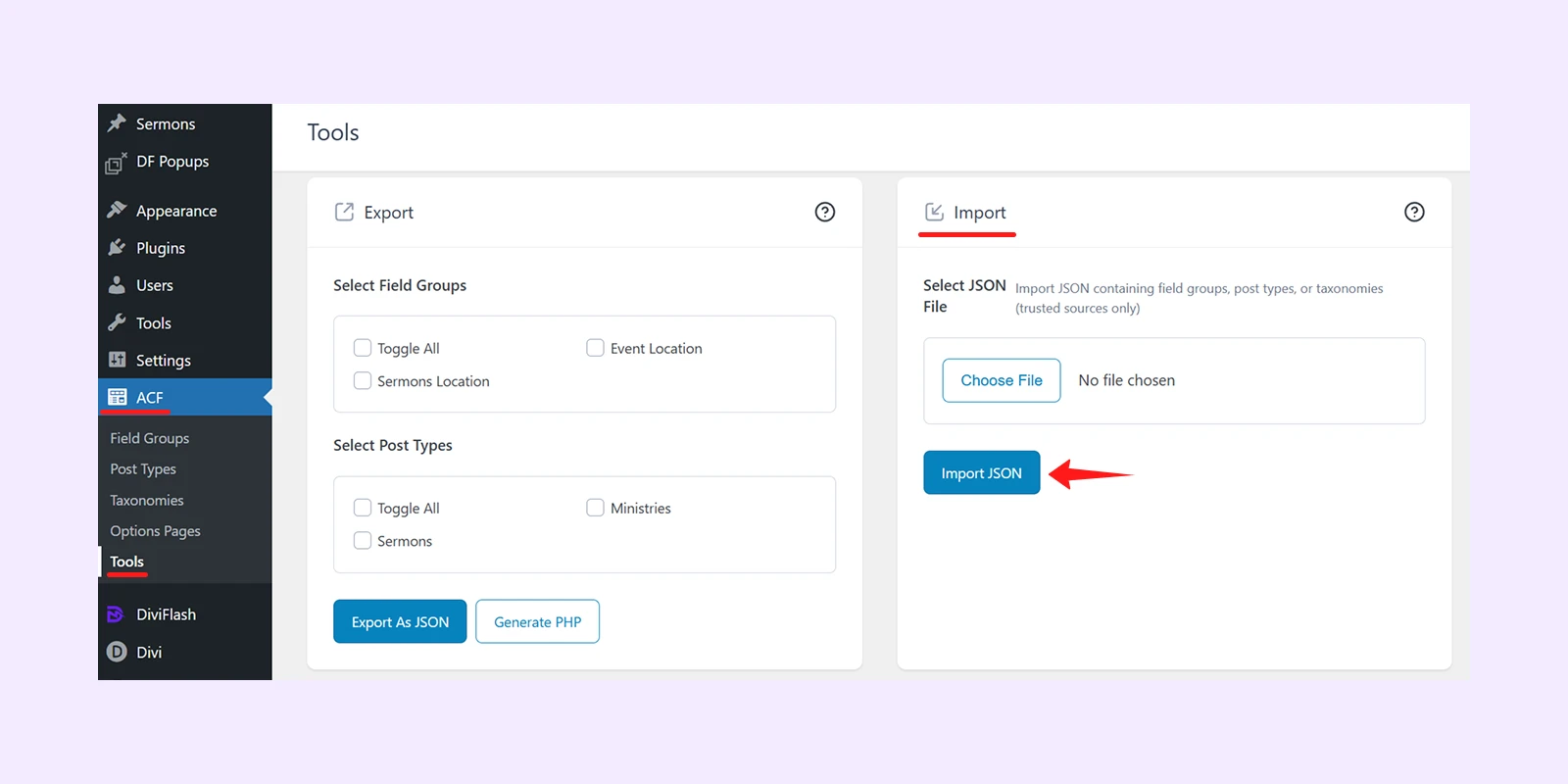
- Finally, click on “Import JSON”
Step 7: Import the “Divi Theme Options” file into the Divi Theme Options panel:
- Navigate to WordPress Dashboard > Divi > Theme Options
- Click on the “Import & Export” icon in the right side corner
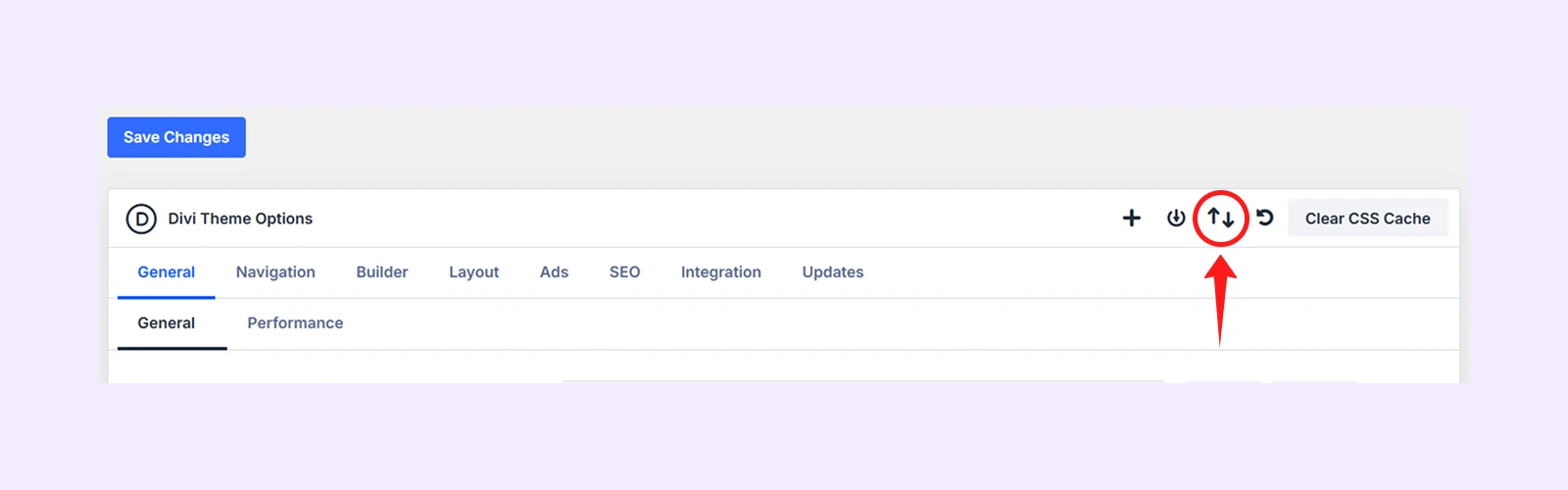
- Select the Import tab and click “Choose Files” to upload the JSON file named “Divi Theme Options Settings - Brewery Layout - DiviFlash.json”
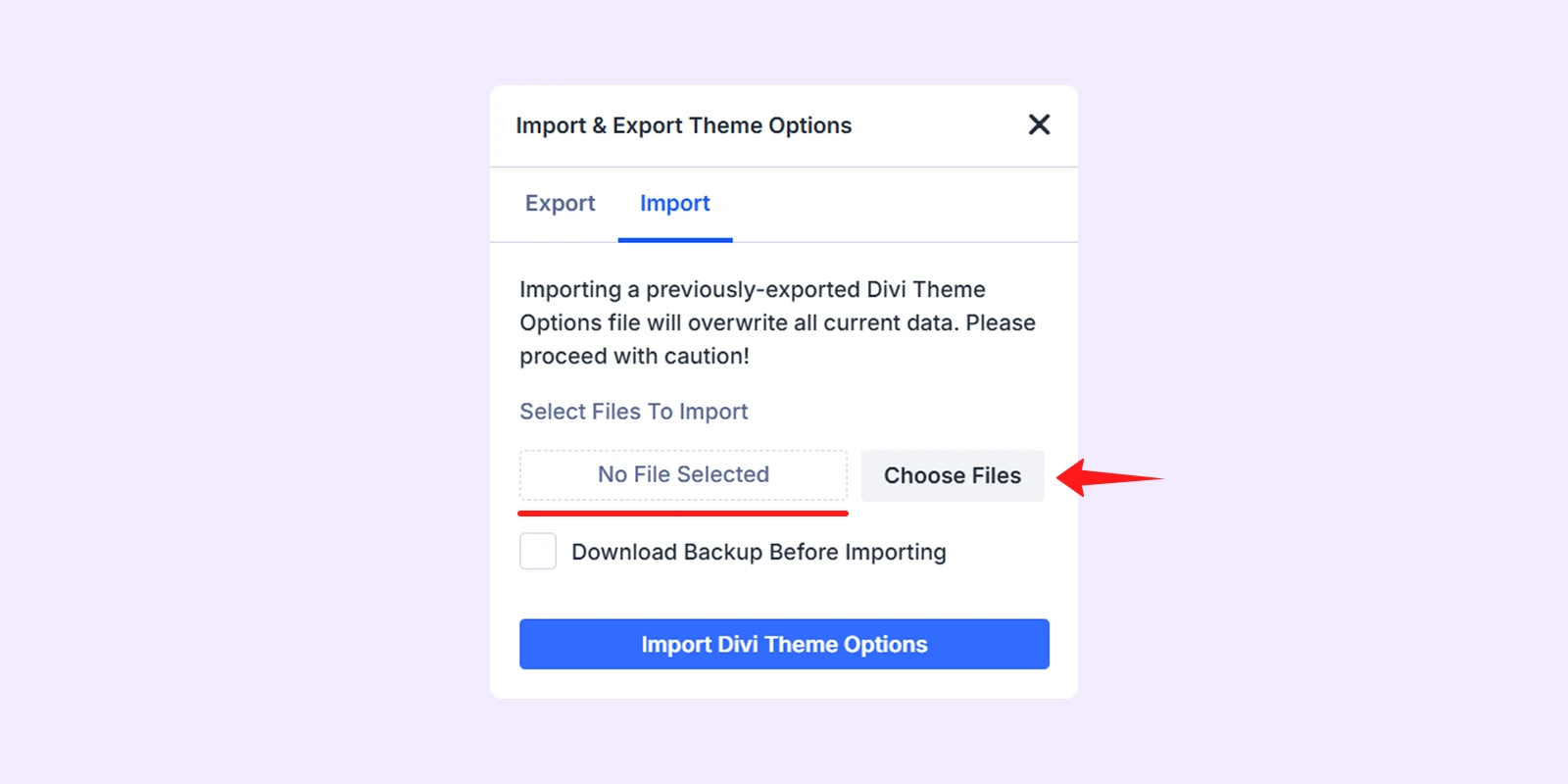
- Finally, click on “Import Divi Theme Options”
Step 8: Import the “Theme Builder” file into the Divi Theme Builder panel:
- Navigate to your WordPress dashboard and go to Divi > Theme Builder
- Click on the “Import & Export” icon in the right side corner
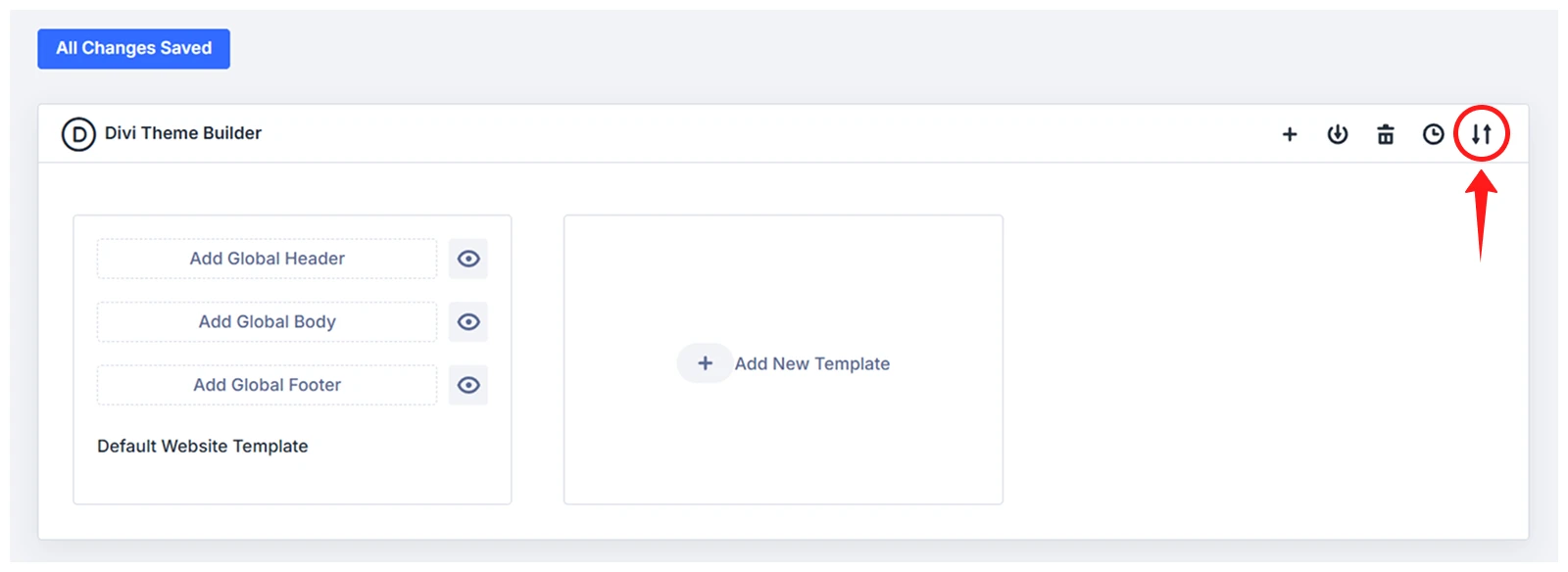
- Select the Import tab and click “Choose Files” to upload the JSON file named “Divi Theme Builder Settings - Brewery Layout - DiviFlash.json”
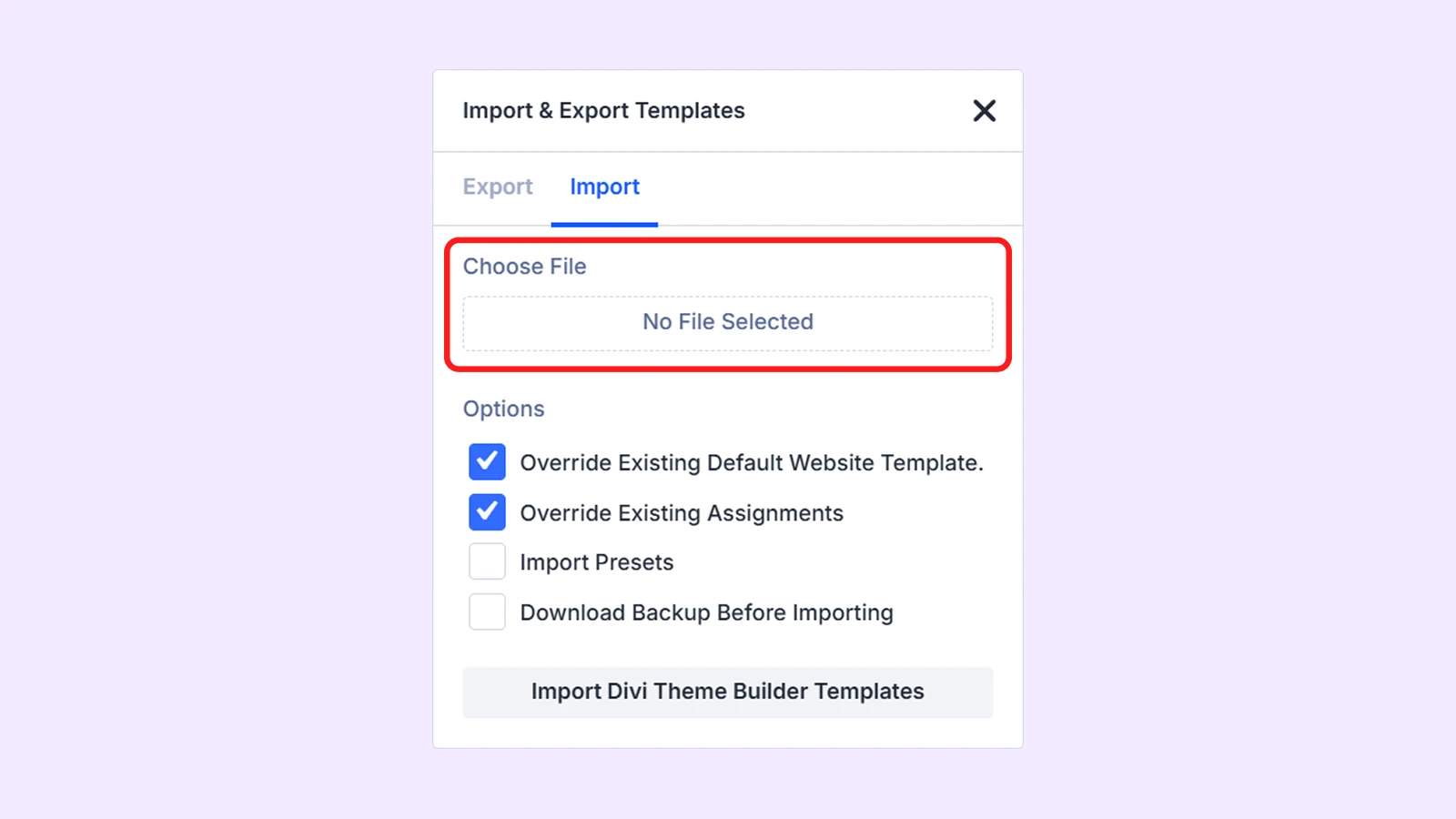
- Finally, click on “Import Divi Theme Builder Templates”.
Step 9: Import layout pages into Divi Library:
- Navigate to your WordPress dashboard and go to Divi > Divi Library
- Click on the “Import & Export” button on the top left
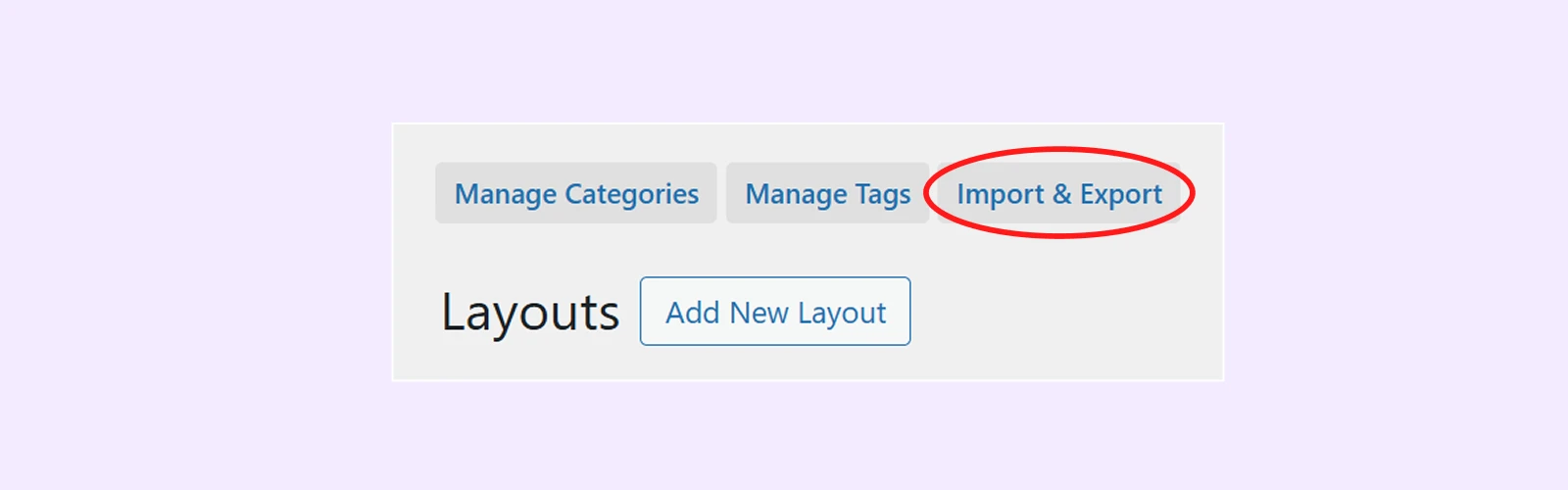
- Select the Import tab and click “Choose Files” to upload the JSON file named “All In One - Brewery Layout - DiviFlash.json” (You can also import individual layout pages one by one by using their respective JSON files.)
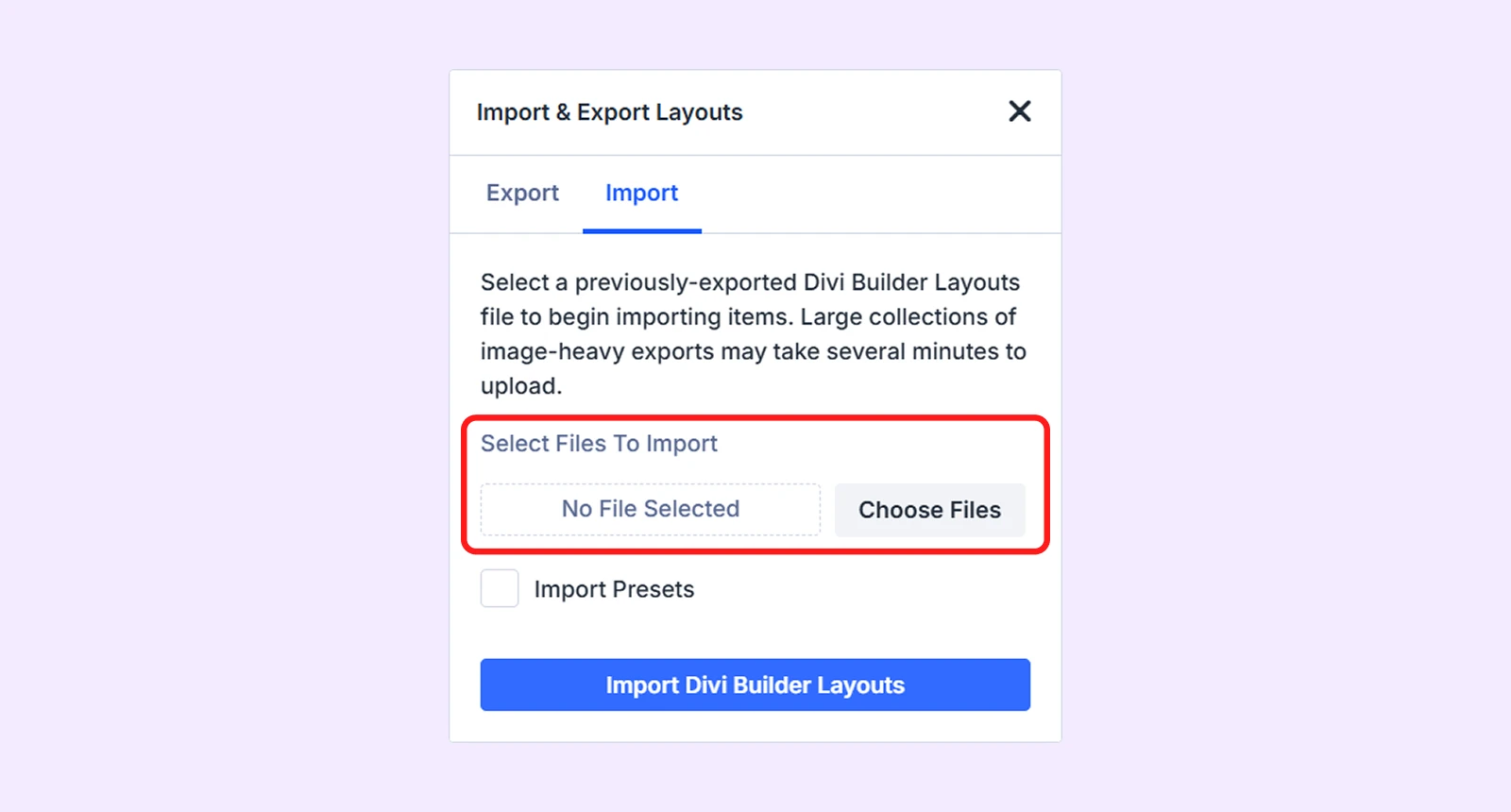
- Click on the “Import Divi Builder Layouts” button.
Now create new pages corresponding to the imported Divi Library items. Follow this doc on how to create pages with Divi Layouts from the Library.
Step 10: Import the “Theme Customizer Settings” file into the Theme Customizer
- Navigate to WordPress Dashboard > Divi > Theme Customizer
- Click on the “Import & Export” icon on the top left corner.

- Select the Import tab and click “Choose Files” to upload the JSON file named “Divi Theme Customizer Settings - Brewery Layout - DiviFlash.json”
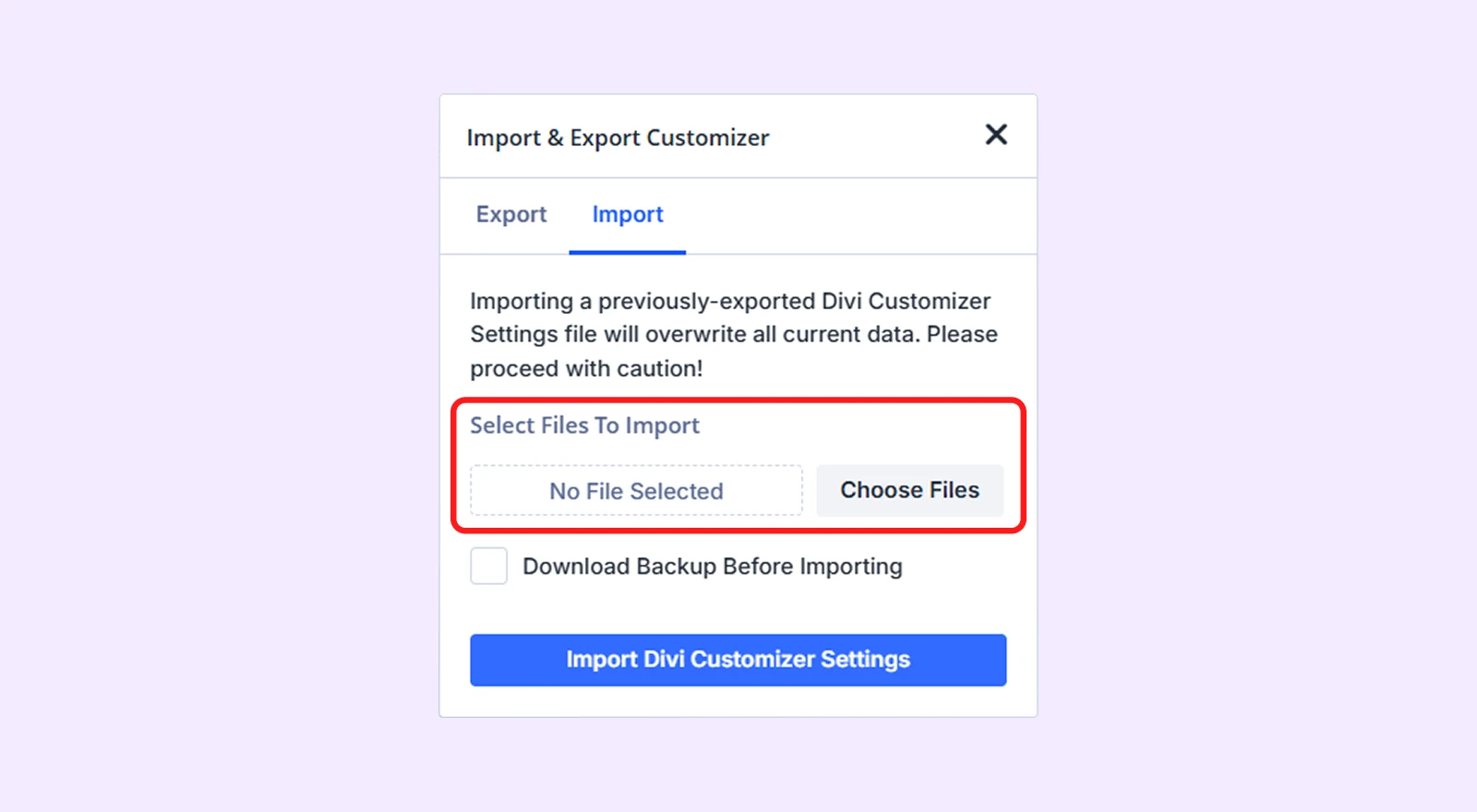
- Finally, click on “Import Divi Customizer Settings”.
Step 11: Import the Media file for the layout
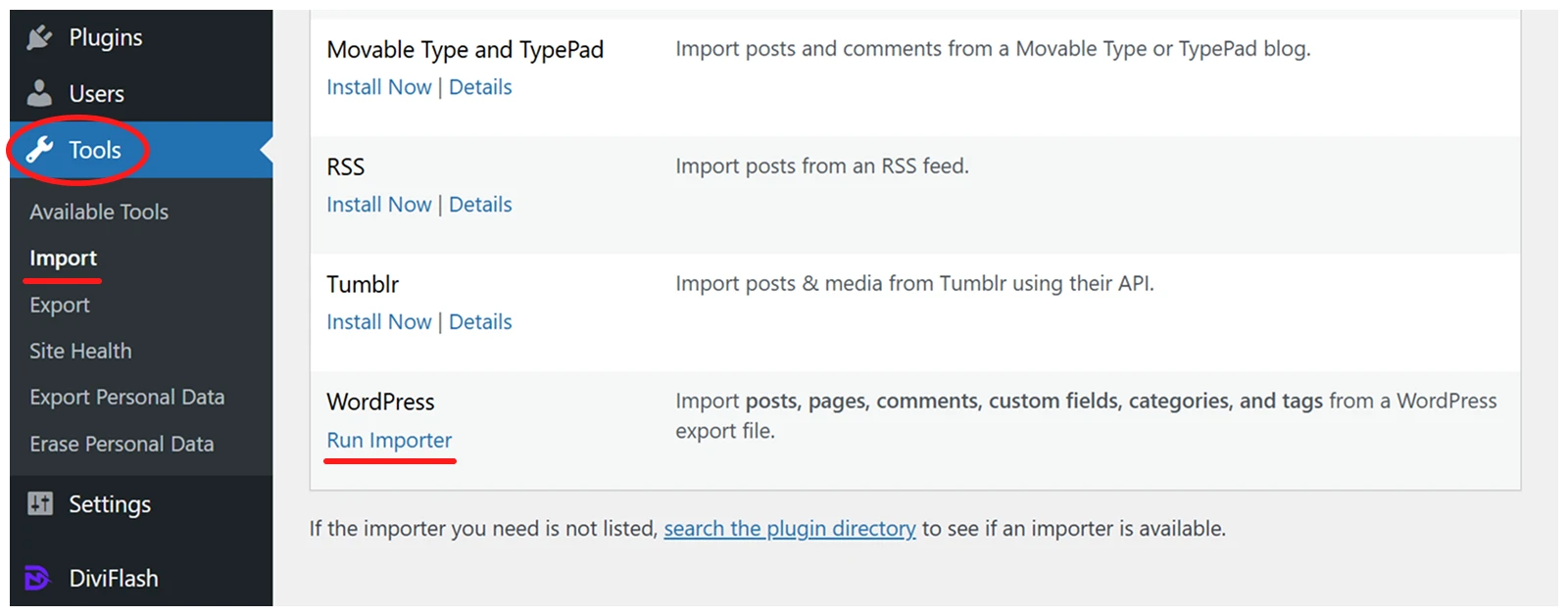
- Navigate to WordPress Dashboard > Tools > Import
- Click on Run Importer under the WordPress (If you see, “Install Now” instead of “Run Importer,” click on install. Then you will get the “Run Importer” option.)
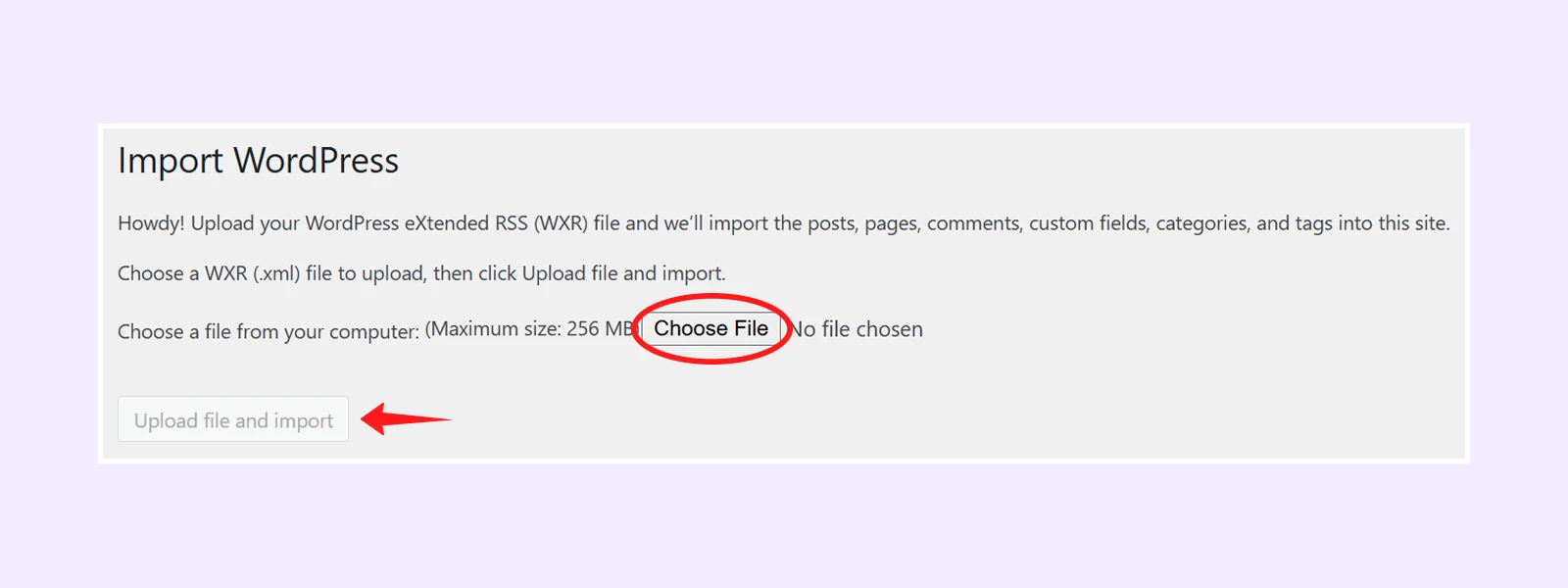
- Click on “Choose File” and import the “Media - Brewery Layout - DiviFlash.xml” file and click “Upload file and import”.
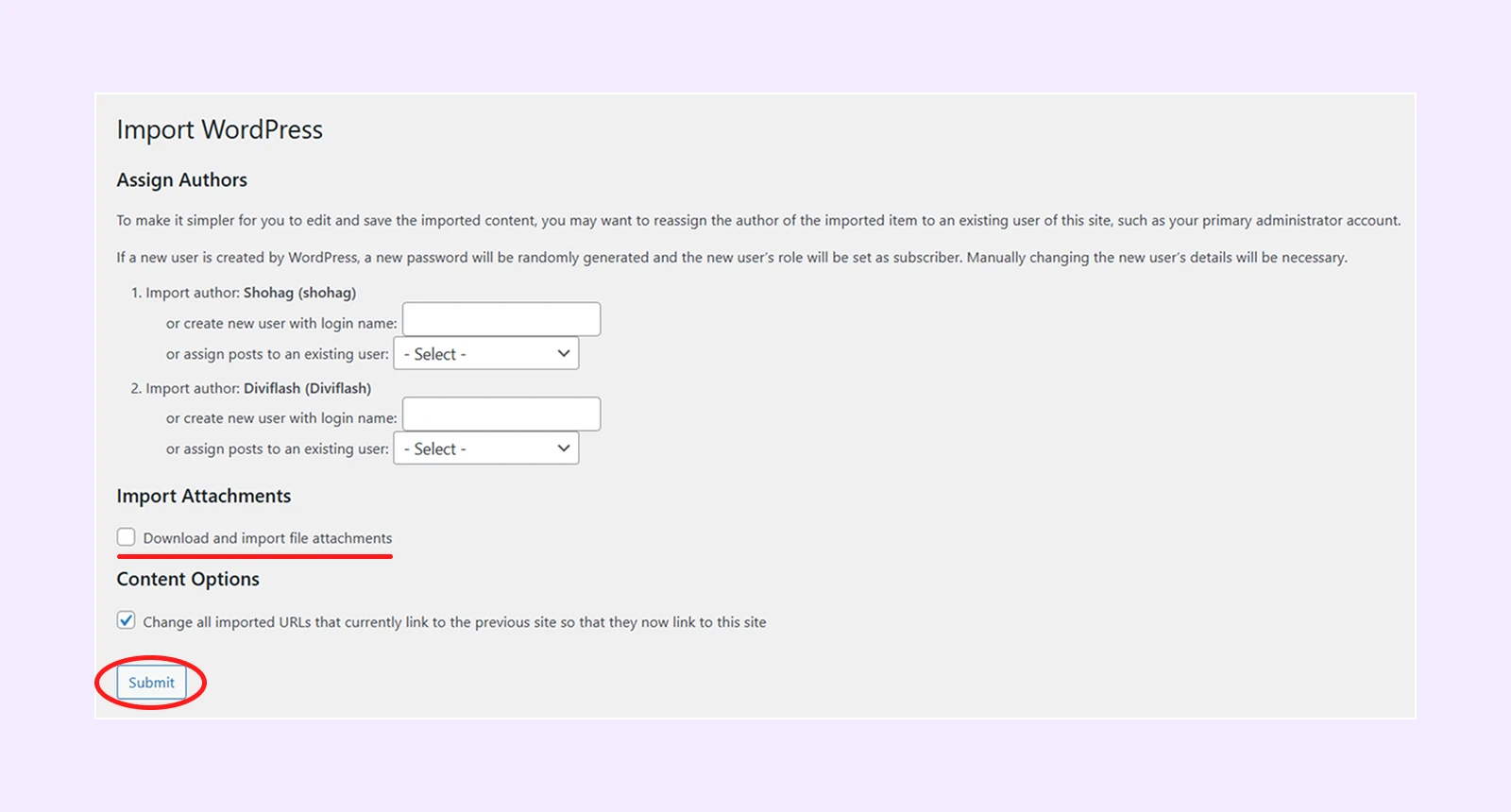
- Assign the author (or skip this step), then check the "Import Attachment" option and click "Submit" to save your changes.
By following the same steps (WordPress dashboard > Tools > Import > Run Importer under the WordPress), you have to import All Project .xml files.
Step 12: Import the popup file into popup import and export panel
To use the popup settings, first enable the Popup feature by going to WordPress Dashboard > DiviFlash > Settings > Popup Enable.
- Navigate to WordPress Dashboard > DF Popups > Import & Export
- Under the Import section, click on “Choose File” and select “Popup - Brewery Layout -DiviFlash.json” file.
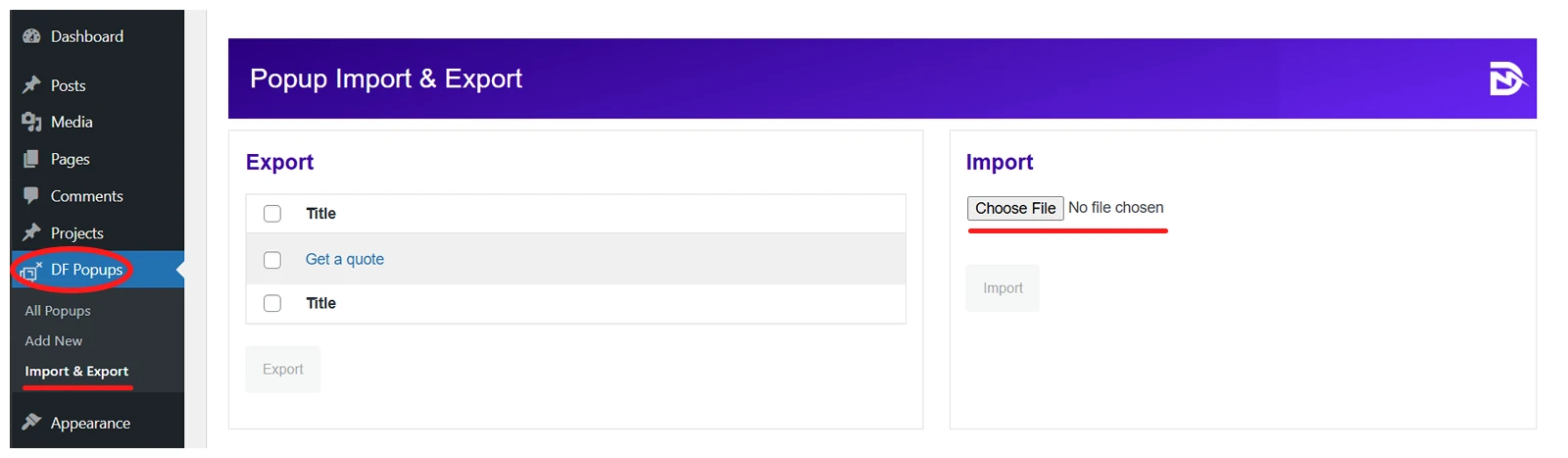
- Click the “Import” button.
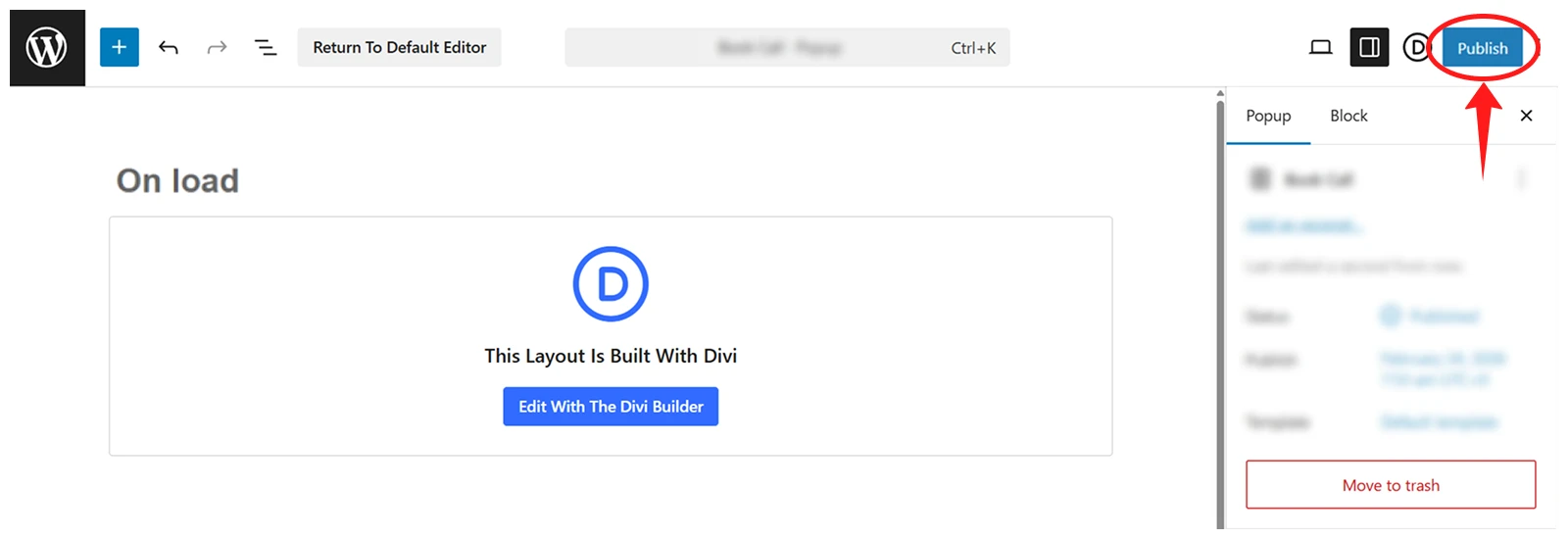
Step 13: Publish the Imported Popup
- Go to WordPress Dashboard > DF Popups > All Popups
- Click Edit below the popup name.
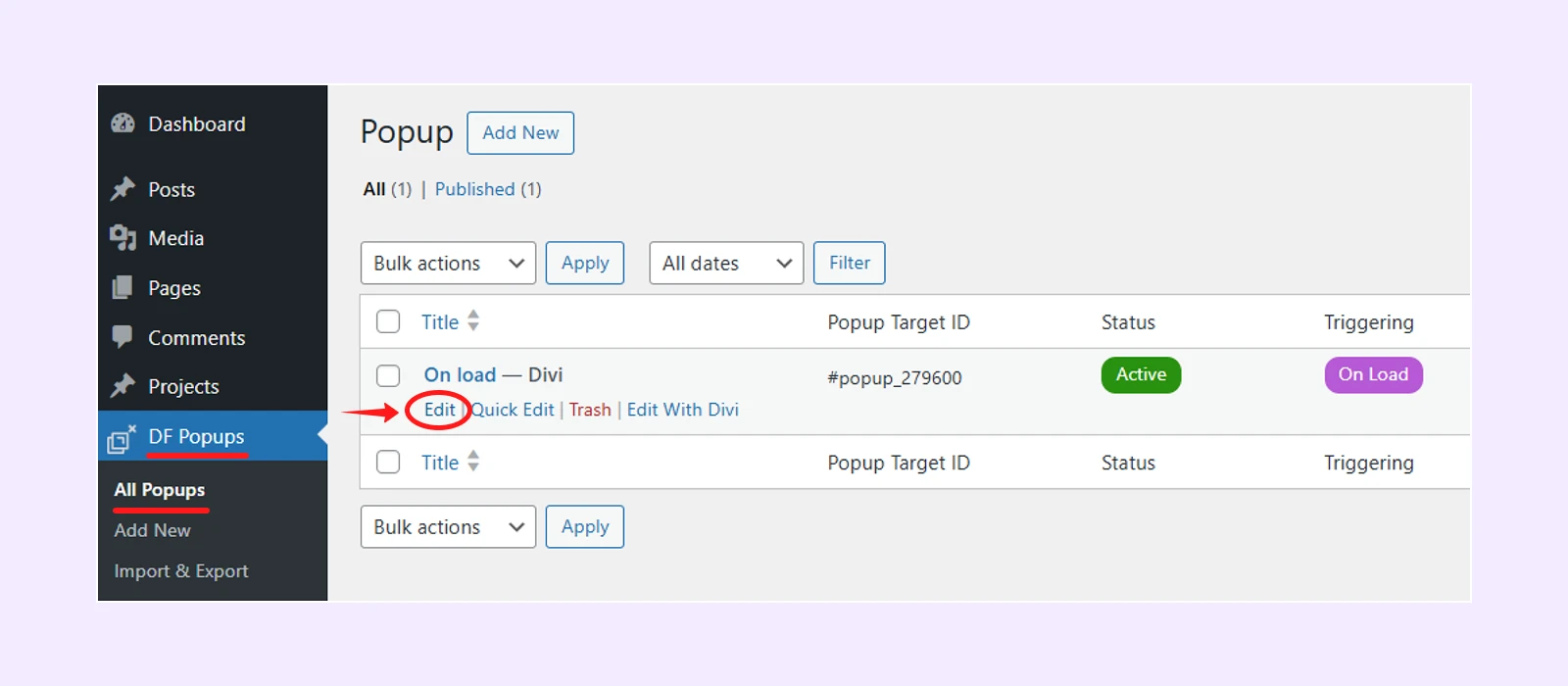
- Then click the “Publish”button.
Step 14: Set your homepage and blog page.
- Go to WordPress Dashboard > Settings > Reading.
- Below “Your homepage displays,” select “A static page.”
- Choose “Home” from the homepage dropdown menu.
- Choose “Blog” from the post page dropdown menu.
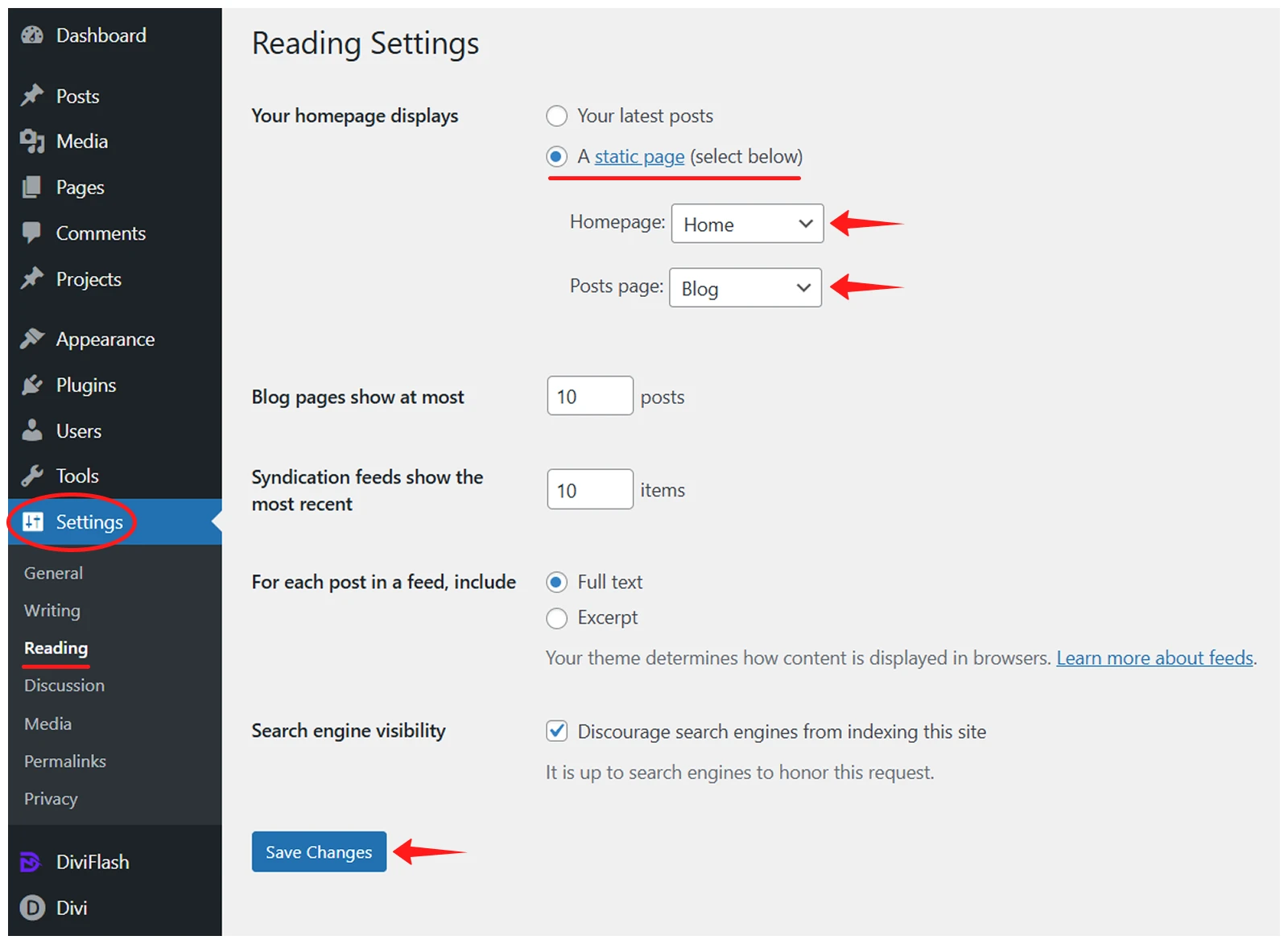
- Click on “Save Changes” to save it.
Step 15: Create a menu for the imported layout. You can follow Divi Layout Menu Customization doc.
Now your website should look exactly the same as the Brewery layout!
Any Questions?
If you have any questions, please feel free to contact our support team at [email protected]